
Making Your Home Safe
Having an age-friendly home environment helps your loved one to live independently and comfortably, as much as possible. It can reduce their fall risks at home and prevent accidents.

Home Modification
Home modifications (eg installing grab bars, improving lighting, and rearranging furniture) can prevent falls and make daily living safer and easier for your loved one. It is important to assess your home for any potential safety hazards. You can engage an occupational therapist or healthcare professional. Alternatively, check out the 360° Virtual Reality HDB Home Design Guide to learn the important areas to look out for.
The modifications range from simple adjustments to your home or lifestyle, to more complicated changes like fittings or structural changes, depending on your loved one’s needs.
Simple adjustments
 |
 |
 |
|
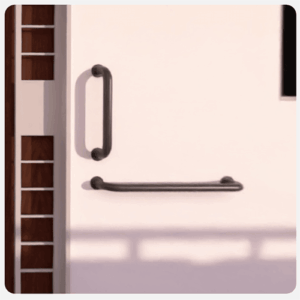
Add grab bars
|
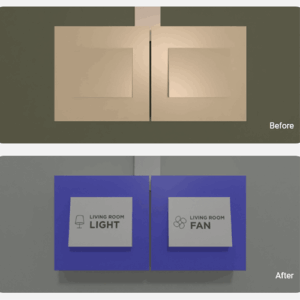
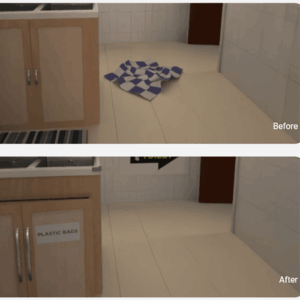
Mount switches that are in contrast to the wall, approximately 100 cm from the floor to be accessible for those on wheelchair | Remove rugs and wires on the floor |
- Use of non-slip mats or application of non-slip treatments on toilet floors
- Highlighting steps with fluorescent tape for better visibility at night
- If you stay in a multi-storey house, consider moving your loved one to a room on the ground floor
Complicated modifications
- Widening of doorways for easy access into rooms while on wheelchair
- Installation of ramps
- Removal of walls
Preventing Falls at Home
As people age, their risk of falling increases. This is because their vision, sense of balance, coordination and muscles get weaker. These contribute to a slower reaction time when they lose their balance. Certain medical conditions increase the risk of falls as well, such as cataracts, stroke, Parkinson’s disease, heart disease, dementia, and osteoarthritis.
Falls can cause pain and injuries such as bone fractures and head injuries, affecting the person’s ability to perform daily activities. In severe cases, it can result in disability, loss of independence and death. It is important to understand the risks and learn what can be done to reduce them.
Most falls happen at home. Here are simple tips to reduce your loved one’s risk of falling:
When doing daily activities
- Wear proper eyewear for clearer vision
- Wear non-slip shoes instead of slippers
- Use walking aids if necessary
- Be aware of the side-effects of prescribed medications
- Clean spills on the floors immediately
In the living room
- Arrange furniture so that it is easy and safe for your loved one to move about
- Keep the area free from clutter
In the bedroom
- Install night lights between bed area and bathroom
- Get out of bed slowly to avoid dizziness
In the bathroom
- Consider using a shower chair and portable shower head
In the kitchen
- Use a stool when reaching items at high shelves
- Move commonly used items to lower shelves for easier reach
- Ensure that wires and cords are safely tucked away
Managing Emergencies
Emergencies can cause panic, especially if you are unprepared. Being ready helps you to stay in control and focus on the necessary actions.
If you encounter an emergency situation, dial 995 for the emergency ambulance by Singapore Civil Defence Force (SCDF) or SMS 70995 (if you are unable to speak).
If you or a loved one is experiencing symptoms such as constipation, chronic cough, diarrhea, or skin rash, please note that these are considered non-emergency situations. For non-emergency ambulance services, you can reach out by calling 1777.
Recognising a Medical emergency
A medical emergency is a sudden illness requiring immediate attention. It is crucial to identify these situations promptly.
Seven signs of a medical emergency:
- Sudden or severe pain, especially chest pain
- Difficulty breathing or shortness of breath
- Uncontrolled bleeding
- Sudden confusion or disorientation
- Sudden dizziness, numbness, weakness, or vision changes
- Coughing or vomiting blood
- Continuous vomiting or diarrhoea
What to say when calling ambulance
- Provide the age of your loved one
- Explain the concern and how long it has been happening
eg “My 73-year-old mother has been having difficulty breathing for the past 30 minutes.” - Briefly state your loved one’s medical history
eg “She had a heart attack two years ago.”
What to do while waiting for the ambulance
- Keep calm as much as possible
- Get your family members to help (if they are available and nearby)
- Speak in a controlled tone to help you remain composed, and reassure those around you
- Stay with your loved one at all times. Keep an eye on their condition and look out for any changes (like breathing, level of alertness or pain). Share your observations with the paramedic upon their arrival
- Do not move your loved one excessively, especially if your loved one had a fall
- Bring along your loved one’s identification card, and printed medical records (if any)
Performing First Aid
First aid refers to the immediate assistance provided to someone who is injured or suddenly ill, prior to medical help arriving. Having first aid skills enables you to offer basic care to your loved ones.
Get a pre-packed first-aid kit at your nearest pharmacy. Regularly check your kit to dispose of expired medications and ensure essential items are included.
If you are keen to learn about first aid, you can consider these available courses.